

In the world of IT, successful software deployment often hinges on effective activation processes. This is particularly true for Windows 10 activation, a critical step that can either streamline operations or lead to frustrating roadblocks. As a Software Licensing Specialist, I have witnessed numerous cases needing efficient management and precise execution.
Understanding Windows 10 Activation
Windows 10 activation is essential for ensuring that your operating system runs smoothly and legally. Microsoft provides several methods to activate Windows, each tailored to different environments and needs. Whether through a product key or a digital license, proper activation confirms that your copy of Windows is genuine and has not been used on more devices than allowed by the license agreement. A failure to activate can mean limited functionality or access to updates and features, which underscores the importance of getting it right from the start.
The Role of Product Keys and Digital Licenses
One prevalent method for windows 10 activation is using a product key. This unique code links your purchase with Microsoft’s servers, verifying authenticity. In contrast, a digital license associates your device’s hardware with your Microsoft account, offering seamless reactivation without re-entering a key. Each method has its advantages; while product keys provide direct proof of purchase, digital licenses offer convenience in scenarios like hardware upgrades where reactivation might be necessary.
Common Challenges in Windows 10 Activation
Navigating the complexities of windows 10 activation can present hurdles such as encountering an activation error due to mismatched hardware or issues with internet connectivity. Tools like the activation troubleshooter can help resolve these errors by analyzing problems and suggesting solutions. For instance, if there is a change in system configuration or network settings, the troubleshooter can guide users through corrective steps to ensure the activation process remains uninterrupted.
Lessons Learned from Deployment in Large Environments
Deploying Windows 10 across multiple machines requires careful planning. One common lab constraint is managing VM resources efficiently; for example, setting up virtual machines with 2 vCPUs and 4 GB of RAM allows for optimal performance while testing activation processes. These specifications are often ideal for balancing resource allocation while still providing sufficient power for most test scenarios encountered during deployment phases.
Using KMS Tools Effectively
KMS tools are invaluable in large deployments where individual product keys are impractical. These tools allow an organization to activate multiple computers using a single server setup within their network. Proper configuration ensures compliance with the Microsoft license agreement. The centralized approach not only simplifies management but also reduces administrative overhead by eliminating redundant tasks associated with individual activations.
Troubleshooting Activation Issues
Activation errors can derail productivity if not addressed promptly. The windows 10 activation troubleshooter simplifies this task by pinpointing issues such as incorrect time settings or conflicts with activator tools like kmspico windows or office 2016 activator that might interfere with legitimate processes. Recognizing these potential conflicts early helps maintain system integrity and avoids costly downtime stemming from unauthorized modifications.
Leveraging Command Line Tools for Activation
Administrators can use command line tools such as DISM (Deployment Image Servicing and Management) to manage and troubleshoot windows 10 activation processes. DISM commands help repair system images and address component store corruption that could impede successful activation. By incorporating these tools into regular maintenance schedules, IT professionals can proactively manage systems’ health and ensure compliance with licensing requirements over time.
Activation in Virtualized Environments
Virtualization adds another layer of complexity to windows 10 activation. Ensuring each virtual machine is properly activated requires careful coordination, especially when snapshots are involved. Timing these snapshots precisely after successful activation saves considerable troubleshooting efforts later. It’s also important to maintain detailed records of virtual machine configurations to streamline any necessary future activations or audits.
The Impact of Unofficial Activators
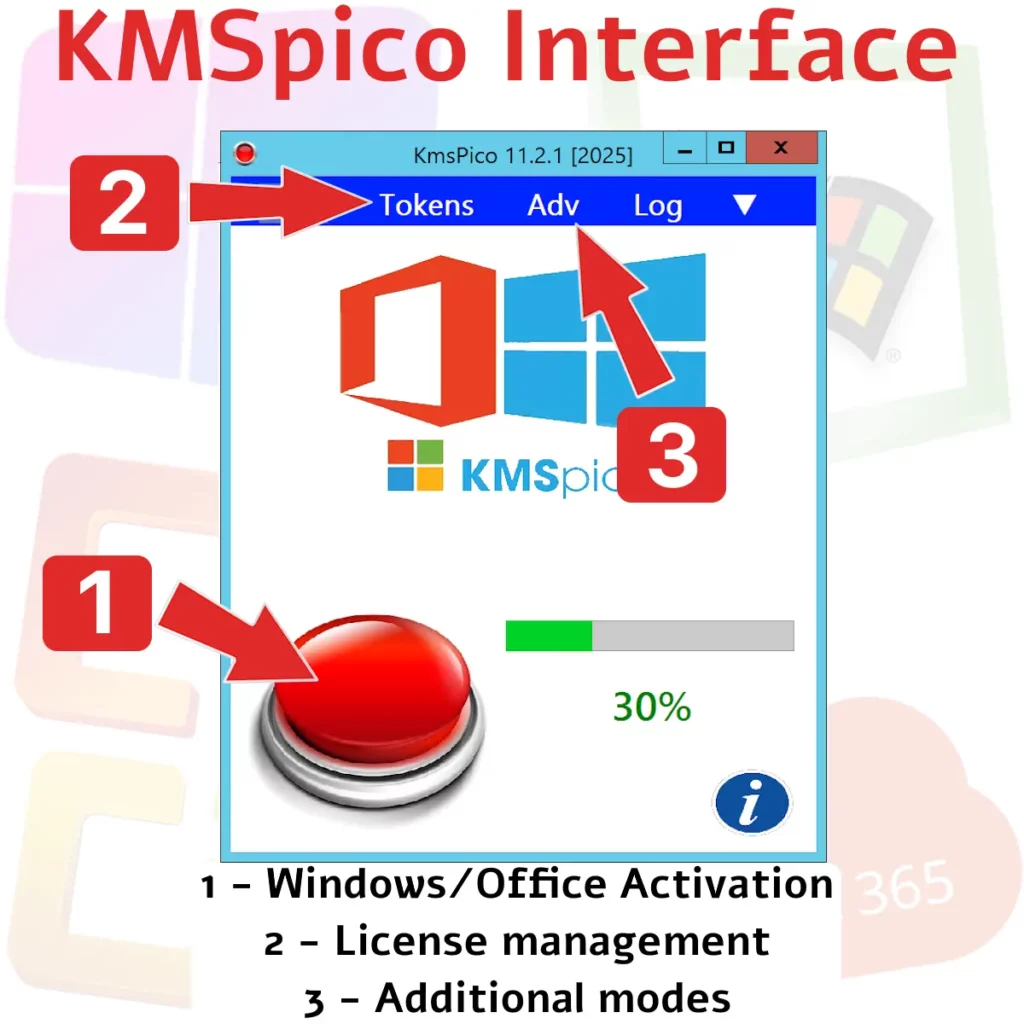
While unofficial activators like kmspico offer quick fixes, they pose significant risks including security vulnerabilities and potential breaches of the license agreement. It’s crucial for organizations to rely on official channels to maintain compliance and security standards. Unofficial tools often circumvent protective measures put in place by manufacturers, leaving systems exposed to malware attacks or data breaches that could compromise sensitive information.
A Strategic Approach to Activation
A strategic approach involves preemptive planning and leveraging reliable tools designed for enterprise environments. Ensuring all systems have access to stable internet connections during setup mitigates many common activation-related issues. Regular audits of network infrastructure can further support smooth operations by identifying potential bottlenecks before they impact deployment timelines.
The Value of Continuous Monitoring
Monitoring systems post-activation helps detect any anomalies early on. Using tools provided by Microsoft alongside third-party solutions ensures your systems remain compliant over time, reducing the risk of unexpected downtime due to licensing issues. Continuous monitoring also enables organizations to adapt swiftly to changes in licensing terms or updates from Microsoft that may affect how activations are handled across all devices within their network.
The Role of Documentation in Activation Processes
An often overlooked aspect of successful windows 10 activation is thorough documentation throughout the process. Keeping records of product keys used, dates of activation attempts, and outcomes provides valuable insights into patterns or recurring issues that may need addressing on a broader scale within an organization’s IT infrastructure.
In conclusion, achieving successful windows 10 activation requires understanding various methodologies, anticipating potential pitfalls, and utilizing both official resources and strategic planning effectively. Through lessons learned in diverse scenarios, IT professionals can ensure smoother deployments and ongoing operational stability. This proactive approach not only optimizes resource utilization but also reinforces trust in the IT infrastructure’s reliability among stakeholders who depend on uninterrupted access to critical software functionalities.